
FBI Negotiation Secrets: How to Buy Australian Property for Less
Learn from former hostage negotiator Chris Voss and use tactical empathy to secure a better deal in today's competitive market.
 Jasmine Amari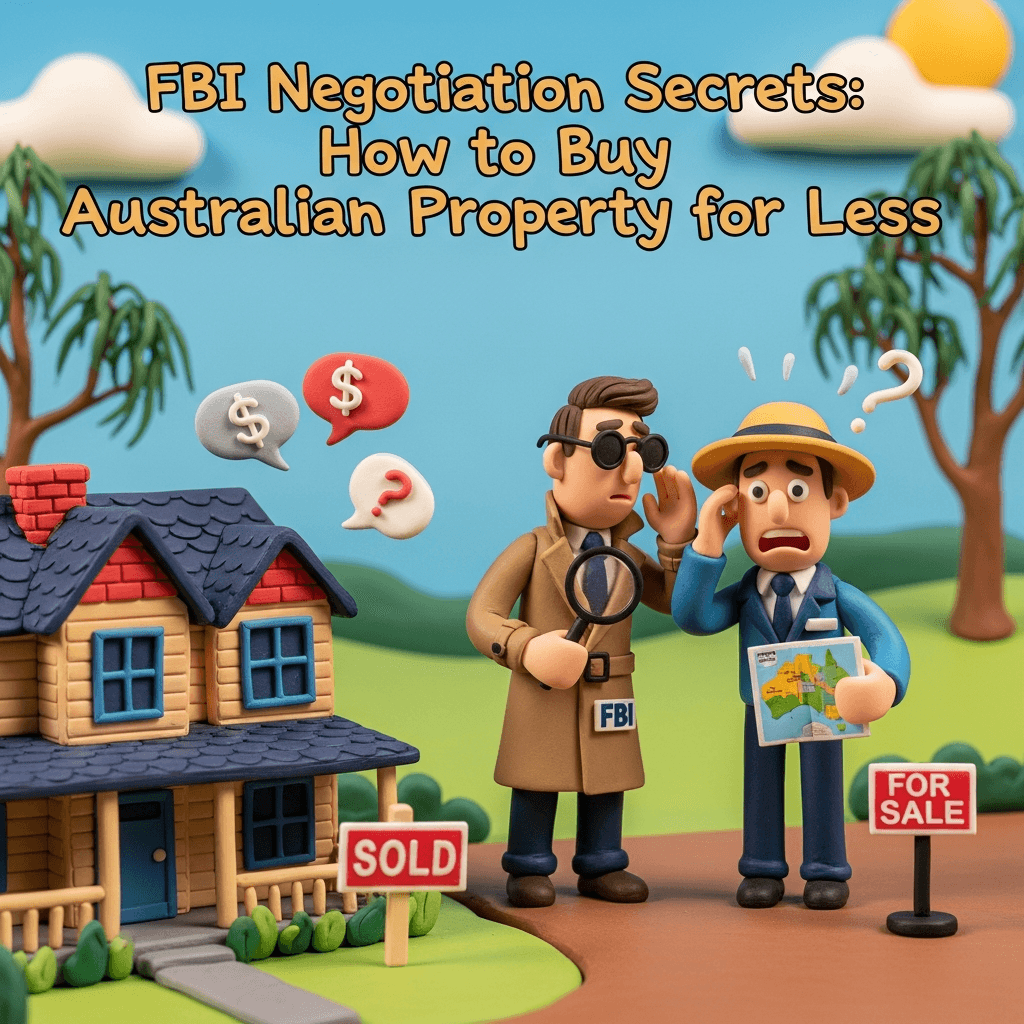
The High-Stakes Game of Property Negotiation
Navigating the Australian property market can feel like a high-stakes negotiation where every decision counts. Securing your dream home or next investment often comes down to your ability to communicate effectively, stay calm under pressure, and build rapport with agents and sellers. So, how can you gain an edge? By thinking like an FBI hostage negotiator. We've distilled the key insights from renowned expert Chris Voss to give you actionable tactics that can help you secure a better deal.
The Power of 'No': Your Counterintuitive Starting Point
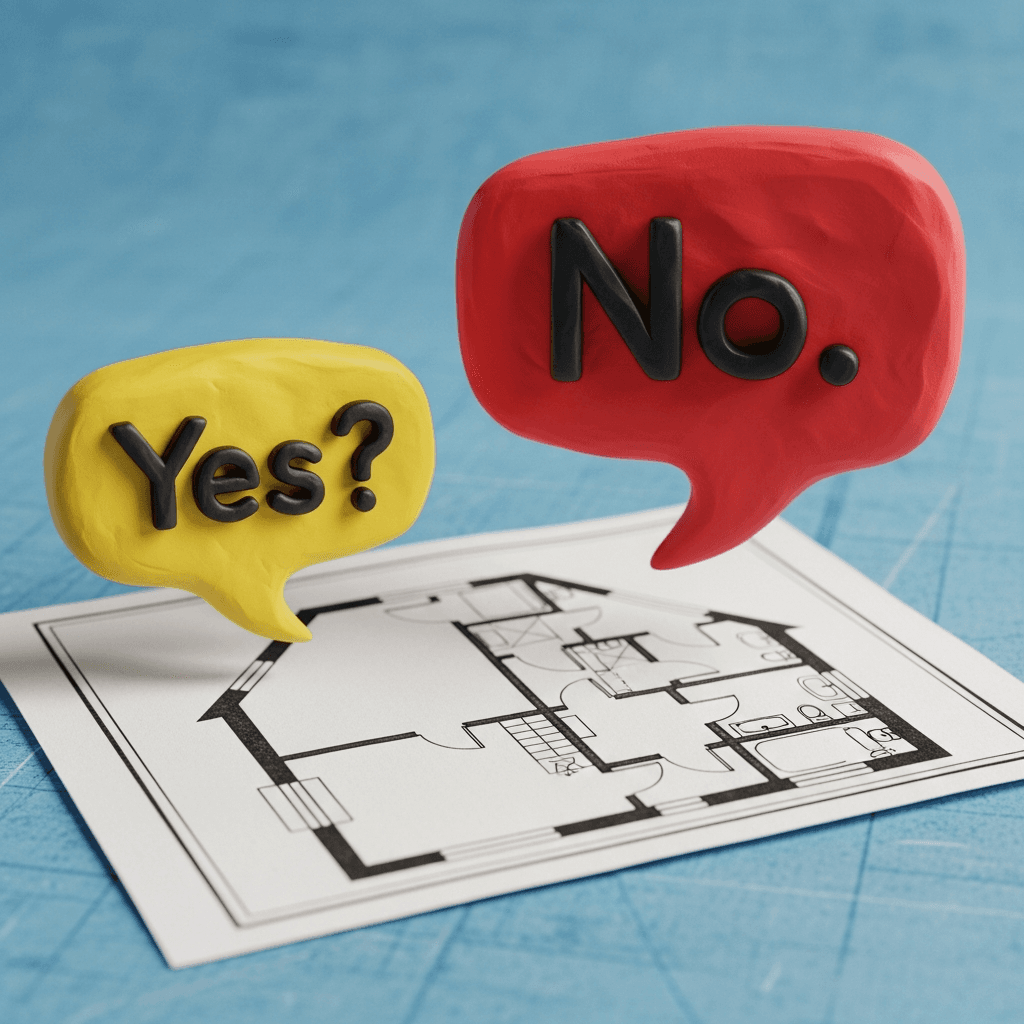
One of the most ingrained habits in any negotiation is the relentless pursuit of "yes." Chris Voss argues this is a mistake. People are often wary of saying "yes," as it feels like a commitment that could be exploited. Saying "no," however, makes them feel safe, protected, and in control. You can leverage this by rephrasing your questions.
Instead of asking a real estate agent, "Have you got a few minutes to talk?" try, "Is now a bad time to talk?" This simple switch invites a "no," which paradoxically opens the door for a more honest and relaxed conversation. This feeling of safety makes the other party more likely to listen and engage, giving you a crucial advantage from the very first interaction.
Stay Calm Under Pressure with the 'Late-Night DJ Voice'
When negotiations get tense—especially in a multi-offer situation—the first casualty is clear thinking. Your amygdala, the part of the brain that houses negative emotions, goes into overdrive. Voss’s solution is the "late-night FM DJ voice": a calm, downward-inflecting tone that has a measurable neurological effect. Using this voice triggers neurochemicals that calm both you and the person you're speaking to. Interestingly, Voss notes that business negotiators get into shouting matches far more often than hostage negotiators do. The reason? Hostage negotiators master their tone to de-escalate tension and maintain control. The next time you feel pressured, take a deep breath and consciously lower your tone. This keeps you in a rational state of mind and encourages a more collaborative atmosphere.

Disarm with an 'Accusation Audit'
Every negotiation has an elephant in the room—the unspoken fears and negative assumptions the other party holds about you. They might think you're trying to lowball them, waste their time, or take advantage of them. Denying these fears only makes them stronger. Instead, Voss recommends an "accusation audit."
This involves articulating their fears for them. Start with phrases like, "It probably seems like..." or "You might feel that..." For example: "It probably seems like I'm trying to take advantage of you with this offer." After you say it, stop talking. This demonstrates that you have empathy for their position and aren't afraid to address the tough issues. By bringing the negatives to light, you strip them of their power, build trust, and clear the path for a more productive negotiation. While these psychological tactics are powerful, they are most effective when backed by solid information. Using a platform that provides deep real estate analytics ensures your negotiation strategy is built on a foundation of data, not just intuition.

Conclusion: Your Path to a Better Deal
Mastering property negotiation doesn't require decades of experience, but it does require a strategic shift in your approach. By embracing the power of "no," controlling the emotional tone with a calm voice, and disarming the other party by addressing their fears head-on, you can navigate even the most competitive markets with confidence. These FBI-tested techniques, championed by Chris Voss, are designed to build trust and create outcomes where both sides feel respected. It's about being smarter, more empathetic, and ultimately, more effective at the negotiating table.
Ready to pair these powerful negotiation tactics with cutting-edge technology? Discover how HouseSeeker's AI Buyer's Agent can guide you through every step of your property journey, from finding the perfect home to securing the best possible price.
Frequently Asked Questions
Why is getting a "no" better than a "yes" in negotiation?
A "no" makes people feel safe and in control, as it's a form of protection rather than commitment. This feeling of safety makes them more relaxed and open to hearing your perspective, whereas a "yes" can trigger anxiety about what they've just agreed to.
What's the quickest way to de-escalate a tense property negotiation?
Consciously switch to a calm, slow, downward-inflecting tone of voice—the 'late-night FM DJ voice.' This has a direct neurological effect that helps calm both your own anxiety and that of the other person, allowing for more rational thought and discussion.
How can I practice these skills without risk?
Start using these techniques in low-stakes daily interactions. Practice using no-oriented questions when making plans with friends or calling for a reservation. Use the calm voice when dealing with customer service. This builds the habit so the skills are second nature when you're in a high-stakes property negotiation.