Flat Pack Homes Australia: An Investor's Guide to Prefab Properties
Discover the pros, cons, and investment potential of prefabricated homes as Australia moves towards a greener and more affordable housing future.
 Jasmine Amari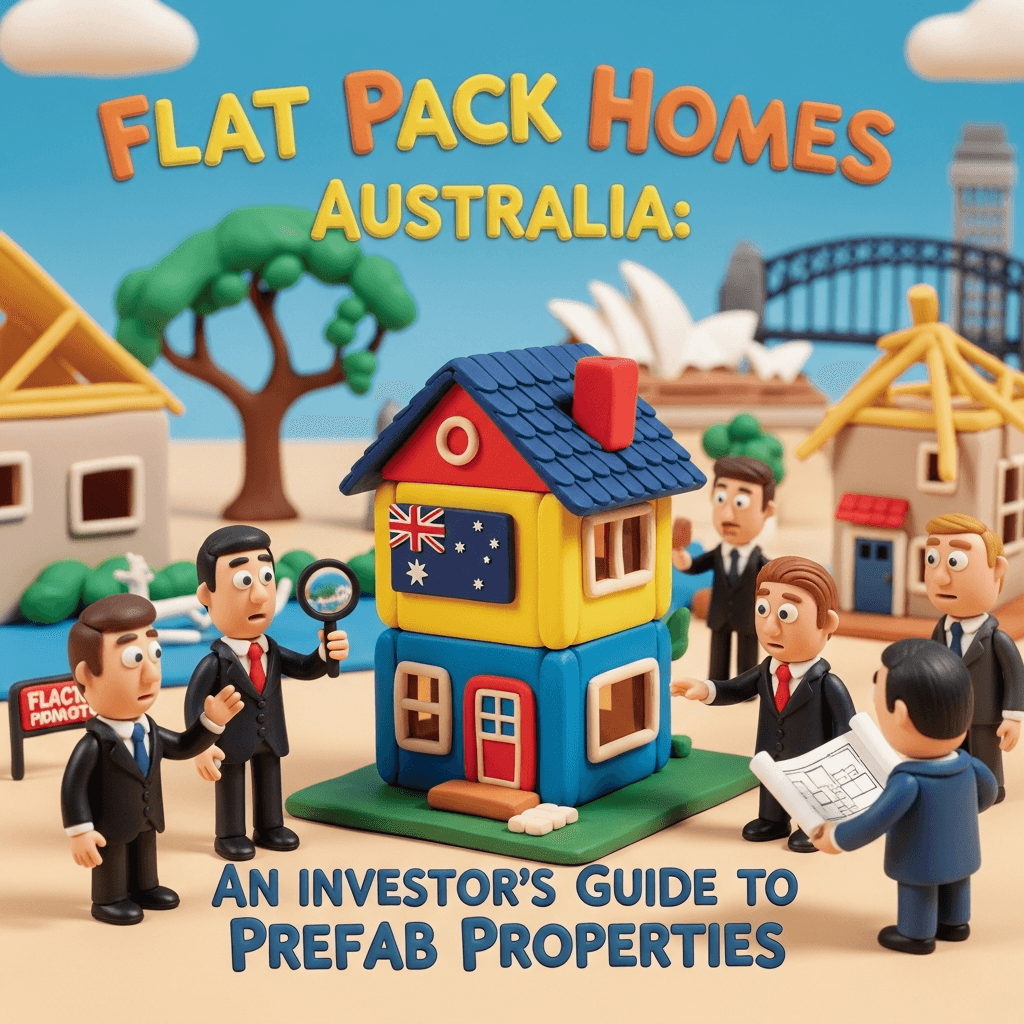
The Rise of Eco-Friendly and Affordable Housing
As Australia charts a course towards a net-zero future by 2050, the property market is witnessing a significant shift. The search for greener, more sustainable alternatives to traditionally built homes is gaining momentum. While Australia has historically been a major greenhouse gas contributor, a promising solution is making a comeback: the flat pack home. Also known as prefabricated or 'prefab' homes, these structures offer a compelling blend of affordability, speed, and environmental benefits, making them an increasingly attractive option for both homeowners and savvy property investors.
What Exactly Are Flat Pack Homes?
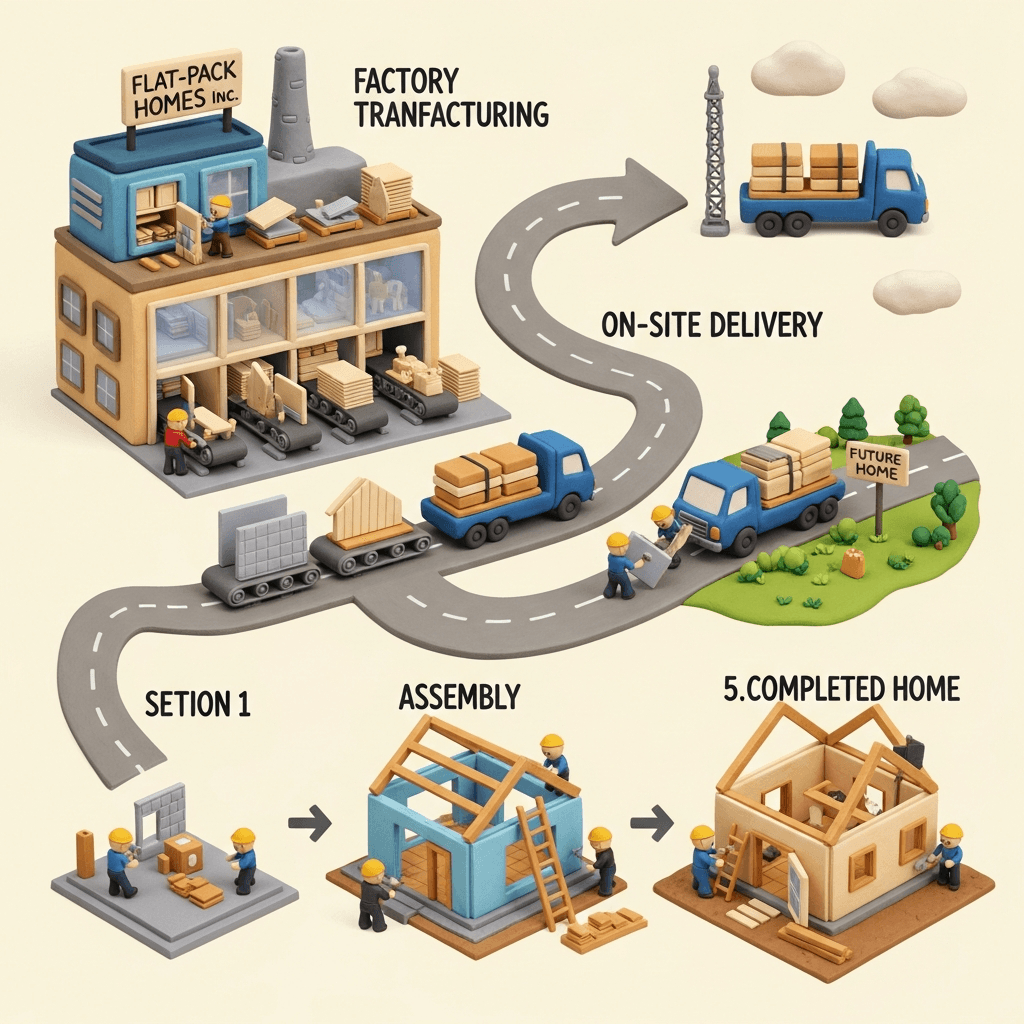
In simple terms, flat pack homes are properties built in sections, or modules, within a factory environment. Unlike a traditional home constructed entirely on-site, a prefab home has its core components—such as walls, flooring, and roofing—manufactured off-site under controlled conditions. These components are then transported to the owner's property and assembled. This process can range from partially to fully prefabricated builds, resulting in a home that is often more durable, cost-effective, and quicker to construct.
The Financial Case: Analysing the Costs
One of the most significant advantages of flat pack homes is their cost-effectiveness. It's estimated that a kit home can be 10-25% cheaper than a comparable traditionally built house. Faster construction timelines directly translate to lower labour costs. While a standard home can take over a year to complete, a flat pack home can be ready in a matter of months.
Here’s a general breakdown of starting prices, though it's important to note that supply chain pressures can affect final costs:
Budget Homes: For those prioritising affordability, basic models can start from as little as $20,000 to $35,000.
Kit Homes: These provide the components, with assembly potentially costing extra. Prices often range from $60,000 to over $100,000 depending on size and complexity.
Modular Homes: These are more inclusive, with costs covering manufacturing, delivery, and assembly, typically starting from around $90,000 to $130,000+.
Understanding these costs is crucial for any investor. For a deeper dive into suburb pricing and market trends, explore our Real Estate Analytics Hub.
The Environmental Advantage: Building Green
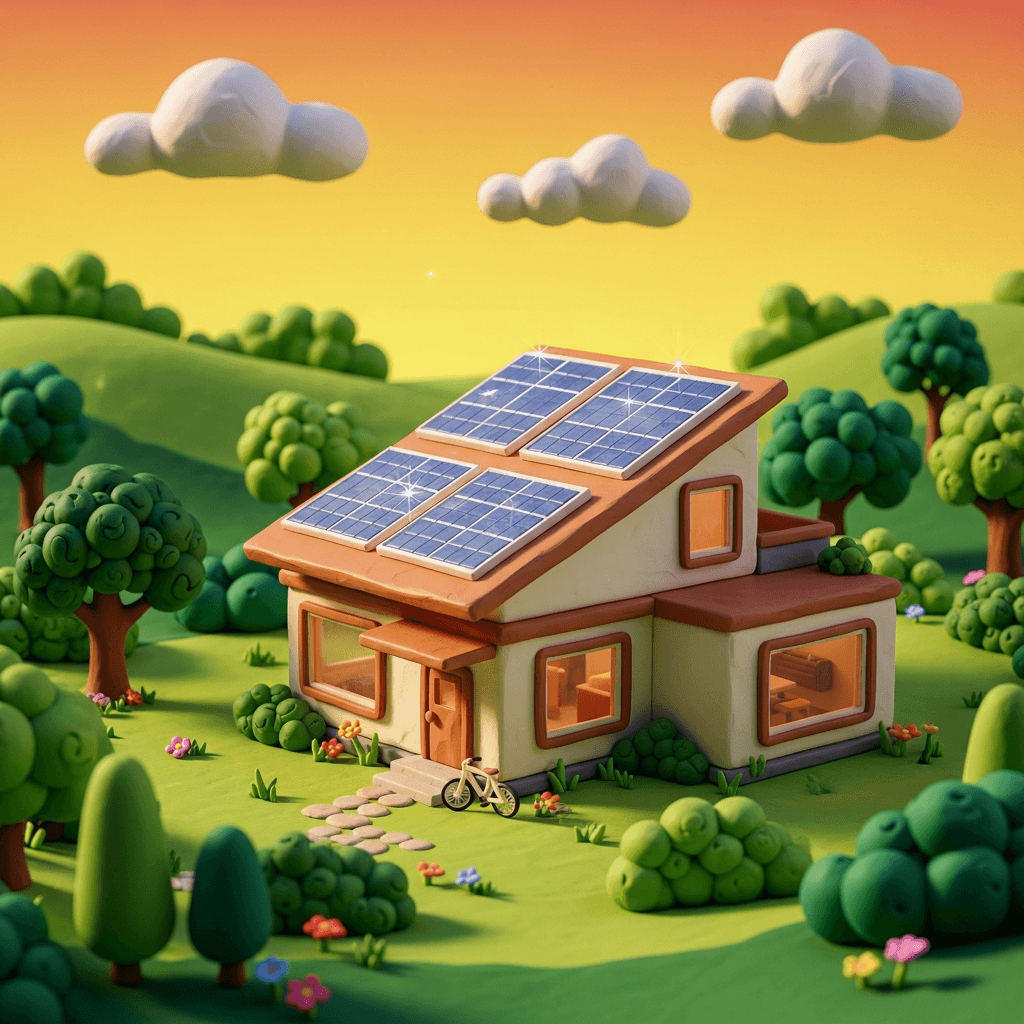
Flat pack homes are at the forefront of sustainable housing. They are designed to produce fewer emissions and contain less embodied carbon in their materials. Many are either carbon neutral, balancing their CO2 output, or even carbon negative, generating more energy than they consume.
A carbon-neutral prefab home can emit 159 tonnes less CO2 than a similar traditional house—equivalent to taking 42 cars off the road for a year. Furthermore, equipped with modern energy-saving features, high-efficiency insulation, and passive solar design, these homes can reduce utility bills by up to 70%, a major selling point for future buyers or renters.
Key Benefits for Homeowners and Investors
Beyond cost and sustainability, flat pack homes offer several other compelling advantages:
High-Level Customisation: From the architectural design to interior fittings, you have complete control. Starting with a base model, you can customise the home to meet specific lifestyle trends or the demands of your target market.
Faster Construction: The factory-based process is not delayed by weather and allows for more efficient workflows, reducing labour costs and time to market.
Superior Quality Control: Building in a controlled factory environment ensures components are built to precise standards, resulting in a more durable and high-quality final product. This precision is critical for structural integrity.
Potential Challenges and Considerations
Despite the benefits, investors should be aware of several potential hurdles:
Permits and Land: You must first purchase the land and secure the necessary planning and building permits. This includes soil testing and ensuring connections for utilities like water, electricity, and sewerage.
Financing Hurdles: Securing a traditional bank loan can be challenging. Many lenders won't provide funds until the home is permanently attached to the site, meaning you may need to cover initial manufacturing costs out-of-pocket.
Transportation Logistics: The size of prefabricated modules must comply with road transport regulations. Larger designs may need to be split into smaller sections, potentially increasing complexity and cost, especially for remote locations.
Outdated Perceptions: Some buyers still associate prefab homes with the lower-quality mobile homes of the past. Overcoming this stigma requires educating potential buyers on the vast improvements in modern flat pack technology and quality.
The Verdict: A Smart Investment for the Future?
With property prices soaring across Australia and a clear societal shift towards sustainable living, the demand for affordable, green housing is undeniable. Flat pack homes are perfectly positioned to meet this demand. For investors who do their homework, they represent a significant opportunity.
By effectively marketing their durability, customisation, and eco-friendly credentials, you can debunk outdated myths and attract modern buyers. Adding desirable, energy-saving features can further increase a property's value while keeping build costs manageable. With a solid plan and careful financial management, a flat pack home could be your next highly profitable investment.
Ready to find the perfect plot of land or analyse market data for your next project? Dive into the powerful tools on the HouseSeeker Data Analytics Hub to make informed decisions.
Frequently Asked Questions
How much do flat pack homes cost in Australia?
Costs vary widely based on size, complexity, and the type of package. Basic budget options can start around $20,000, while more comprehensive modular homes that include delivery and assembly often start from $90,000 and can go well over $130,000. These figures don't include the cost of land, permits, or site work.
Is it difficult to get a bank loan for a flat pack home?
It can be more challenging than for a traditional home. Most banks prefer to lend against a property that is fixed to the land. This means you may need to fund the initial factory construction phase with your own capital or a specialised construction loan before a standard mortgage can be secured.
Are prefab homes lower quality than traditional homes?
No, this is a common misconception. Modern prefabricated homes are built in a controlled factory environment to exacting standards, which often results in higher precision and quality control than on-site construction. They use high-quality materials and are designed to be just as, if not more, durable than traditional homes.