
Tasmania's Property Market: A Deep Dive for Buyers and Investors
From a pandemic-fueled boom to a more balanced market, uncover the current opportunities, key growth suburbs, and expert advice for navigating Tasmania's unique real estate landscape.
 Jasmine Amari
Introduction: Tasmania's Evolving Property Story
Tasmania's property market has been on a remarkable journey. Once considered a sleepy state, it rocketed to prominence during the pandemic, experiencing a massive boom that saw prices surge by as much as 50% in just five years. This rapid growth, driven by a desire for a safe haven and more space, has now given way to a more settled and stable market. For savvy buyers and investors, this shift presents a new landscape of opportunity. This guide unpacks the current state of the Tasmanian market, from lifestyle appeal and growth hotspots to practical advice for securing your piece of the Apple Isle.
The Pandemic Boom and Subsequent Correction
The COVID-19 era transformed Tasmania into a property hotspot. As people sought a safer, more relaxed lifestyle, demand for larger homes soared, pushing prices to unprecedented levels. This frenzy was primarily fueled by local Tasmanians upsizing their homes, with mainland buyers and investors accounting for less than 20% of the market. However, this intense period was followed by a necessary price correction. While Hobart's values currently sit about 8.3% below their peak, the market hasn't crashed; it has stabilized. The impact of this correction varies by area, with higher-end suburbs like Sandy Bay experiencing longer days on market, while more affordable, blue-collar suburbs have remained resilient and quickly returned to a normal rhythm.
The Allure of the 'Tazzy' Lifestyle
What draws people to Tasmania? The answer lies in its unique lifestyle. Unlike the fast-paced nature of Sydney or Melbourne, Hobart—affectionately nicknamed 'Slowbart'—offers a relaxed, community-focused atmosphere. The appeal is deeply connected to the outdoors. Residents are just minutes away from stunning natural landscapes like Mount Wellington, perfect for bushwalking and mountain biking. This blend of city convenience and natural beauty attracts a diverse range of people, from mainland investors and families to retirees from hotter states like Queensland seeking a cooler climate and the ability to unlock capital by relocating to a more affordable market.

Where to Find Growth: Tasmania's Emerging Hotspots
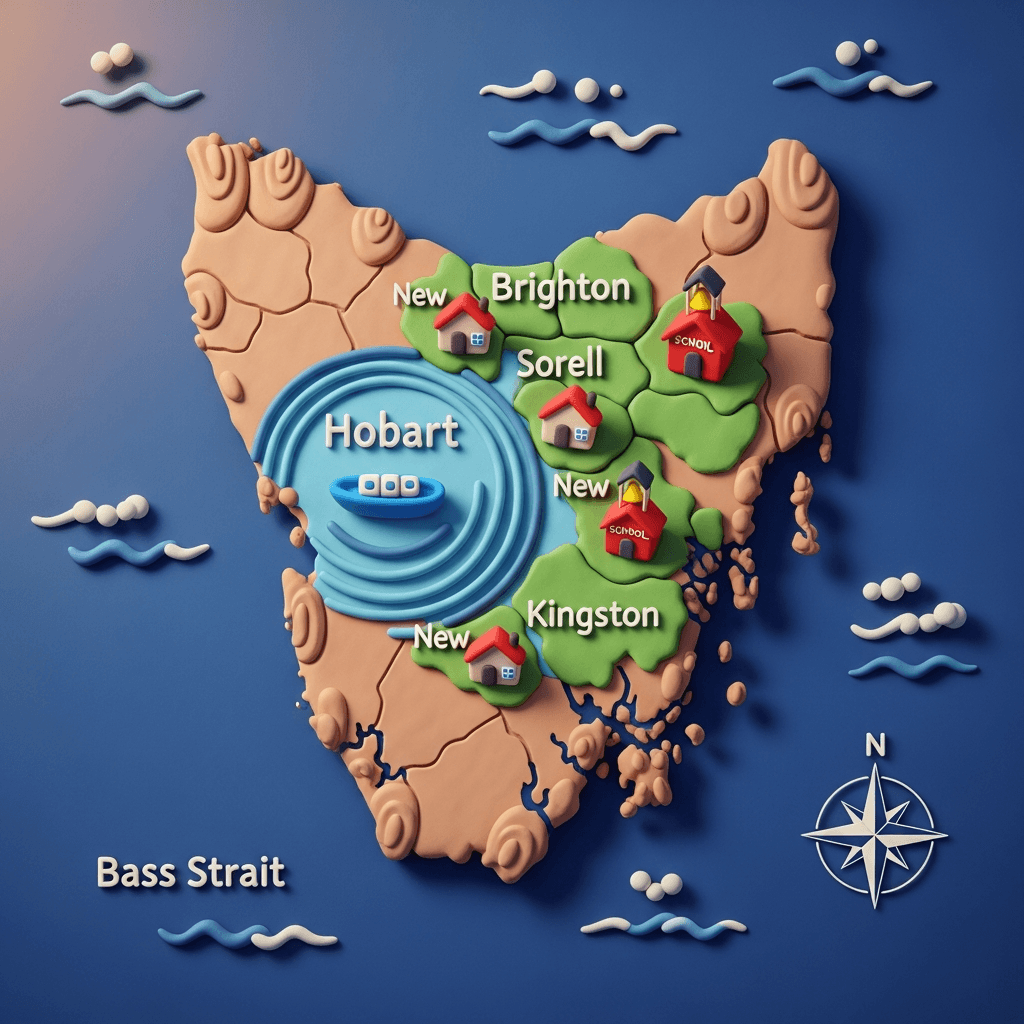
While inner-city suburbs may have reached their growth peak for the short term, the real opportunity now lies in the outer suburbs. Areas 5-10 minutes from the CBD are poised for significant growth. The Tasmanian government and local councils are actively investing in infrastructure to support growing populations in these key areas, making them ideal for families and long-term investors. Key suburbs to watch include Brighton and Sorell, which have seen highway upgrades, new bridges, new schools, and improved sporting facilities. Further north, Burnie is also gaining a reputation as a strong market from an investment perspective. To identify pockets of value, it's crucial to analyse suburb performance and market trends, which can reveal underlying growth drivers.
In-Demand Properties and Market Dynamics
In the current market, four-bedroom homes are highly sought after, largely because the traditional Tasmanian housing stock is dominated by three-bedroom, one-bathroom configurations. Larger family homes sell quickly when they become available. Also in high demand are fully renovated, move-in-ready properties. With high construction costs and a shortage of available tradespeople, buyers are willing to pay a premium for homes that require no work. If you're searching for a property with specific features, like four bedrooms or a new kitchen, using an advanced tool like HouseSeeker's AI-powered property search can help you filter for exactly what you need. Unlike the mainland, Tasmania's market is dominated by private treaty sales using an 'offers over' strategy, and auctions are rare.
Top Tips for Buyers and Sellers
Navigating the Tasmanian market requires preparation. Whether you're buying or selling, a strategic approach will deliver the best results.
For Buyers: 1. Get Organised: Speak to a mortgage broker first to get pre-approval and understand your exact budget. 2. Be Flexible: Be prepared to compromise on your wish list or consider a different suburb to match your budget. 3. Act Fast: Have your building inspector and conveyancer lined up. Presenting an offer from a well-prepared buyer makes you more attractive to sellers.
For Sellers: 1. Eliminate the 'Buts': Walk through your home from a buyer's perspective and fix any small issues that might make them hesitate (e.g., "I'd buy it, but I'd have to fix that fence"). 2. Focus on Curb Appeal: The first impression is crucial. Invest in the front of your house, as most buyers will do a drive-by before even contacting an agent. 3. Communicate Openly: Work closely with your agent and share any concerns you have. They can provide solutions you may not have considered.
Conclusion
Tasmania's property market has matured from a frenetic boom into a more balanced and predictable environment. For buyers, this means more time to make considered decisions without the frantic pressure of the past. For investors, low vacancy rates and targeted infrastructure spending in growth suburbs present solid long-term opportunities. Success in this unique market hinges on understanding local dynamics, being prepared, and leveraging data to make informed choices.
Ready to uncover the best property opportunities in Tasmania? Explore detailed suburb data, analyse market trends, and compare properties with HouseSeeker's Real Estate Analytics tools.
Frequently Asked Questions
Is Tasmania still a good place to invest in property?
Yes, Tasmania remains a strong investment market. Extremely low rental vacancy rates ensure consistent demand, and government investment in infrastructure in outer-ring suburbs like Brighton and Sorell is paving the way for future capital growth.
What are property buyers in Tasmania looking for?
Four-bedroom homes are in high demand due to their relative scarcity compared to the more common three-bedroom houses. Additionally, fully renovated properties are very popular, as buyers are keen to avoid the high costs and difficulties of sourcing trades for renovations.
How is the Tasmanian property sales process different from the mainland?
Unlike Sydney and Melbourne where auctions are common, the vast majority of Tasmanian properties are sold via private treaty. Agents often use an 'offers over' pricing strategy. Furthermore, it's standard for contracts to be signed subject to finance and building inspections, which can add several weeks to the transaction timeline.