
Australia's Housing Squeeze: Why Construction Can't Keep Up With Record Demand
An in-depth look at the construction downturn, record immigration, and how data analytics can help you navigate a challenging property market.
 Jasmine Amari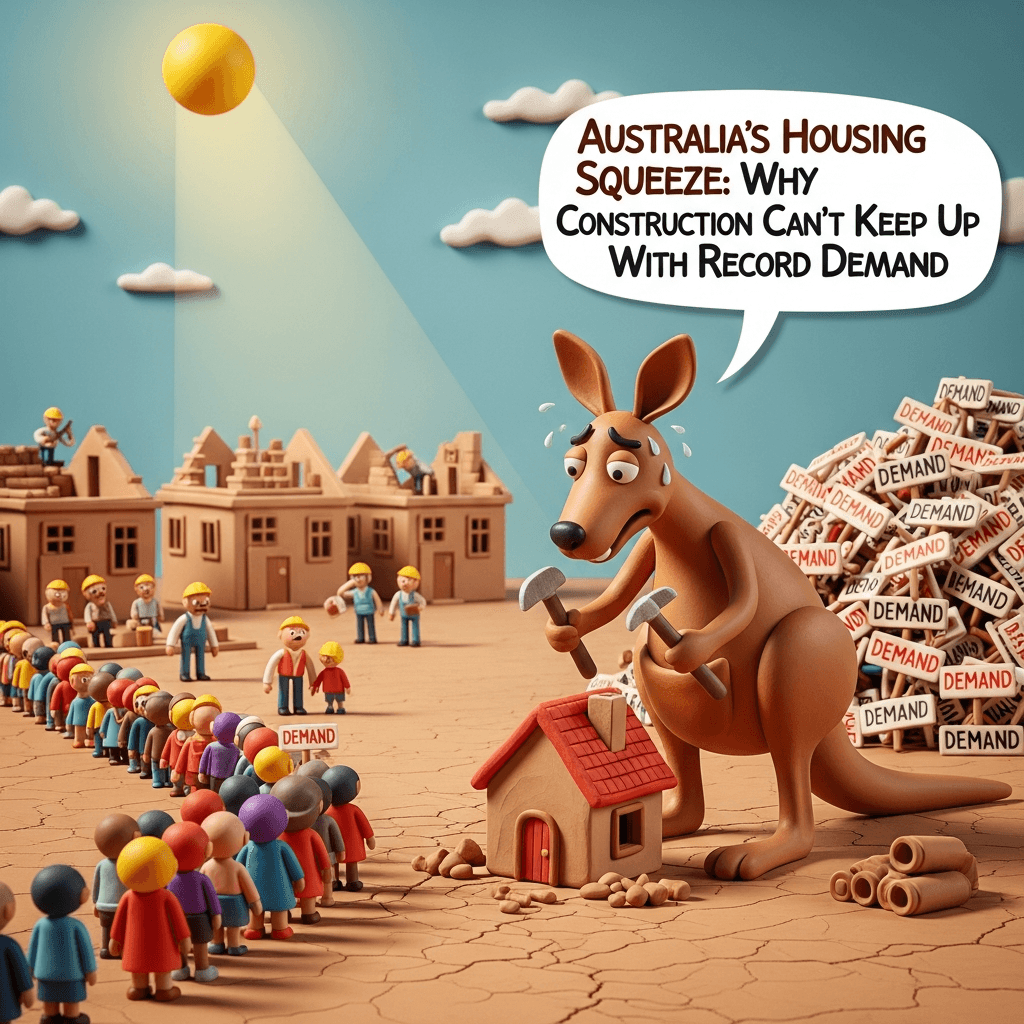
Introduction
Navigating Australia's property market feels more challenging than ever, and there's a clear reason why. A perfect storm of slowing construction and record-high population growth is creating a significant housing shortfall. This imbalance affects everyone from first-home buyers to seasoned investors and renters. Understanding the core data behind this trend is the first step to making smarter property decisions.
The Ambitious Target vs. A Stark Reality
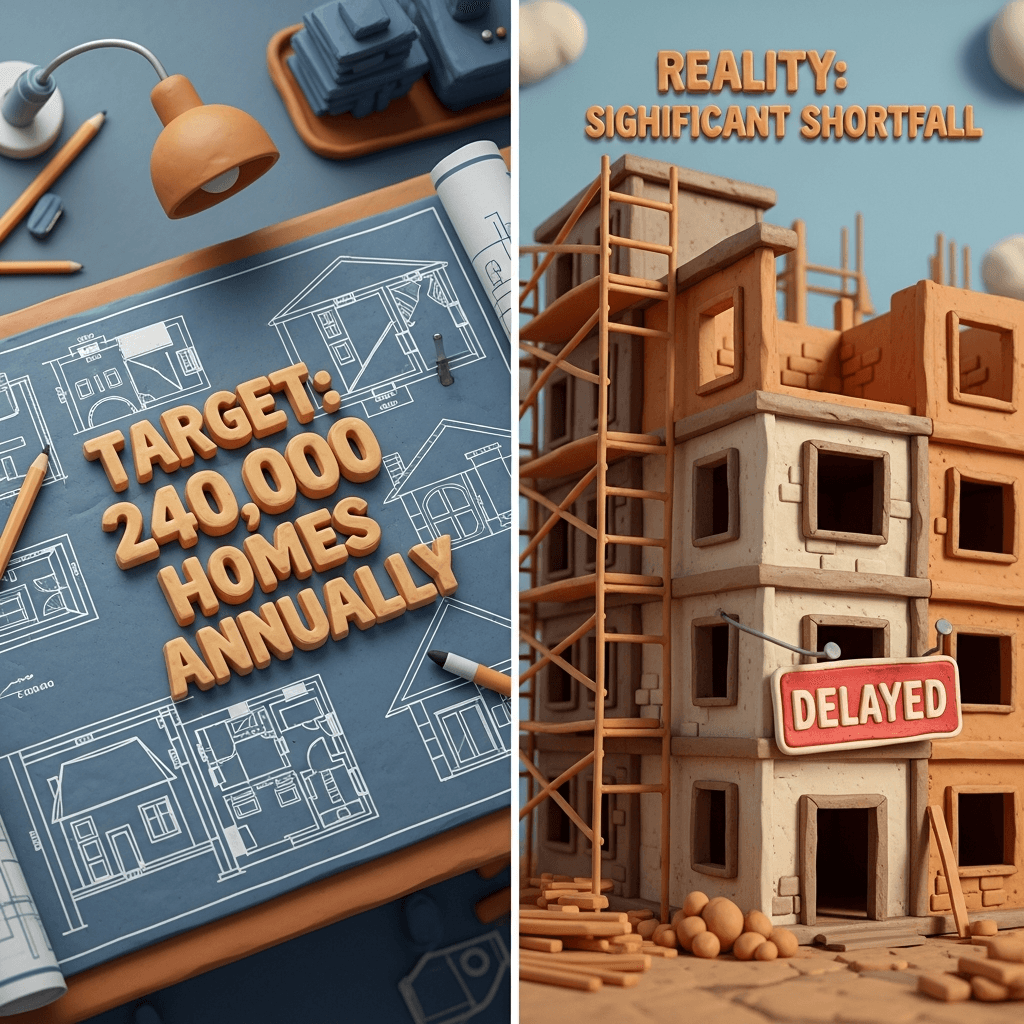
The Australian government set a bold goal with the National Housing Accord: to build 1.2 million new homes over five years, starting from July 2024. This equates to an annual target of 240,000 homes. However, the latest figures from the Australian Bureau of Statistics (ABS) paint a different picture. In the first year of the accord, only 174,030 dwellings were completed—a significant shortfall of nearly 66,000 homes. The June 2025 quarter was particularly weak, recording the lowest number of housing completions in over a decade.
Unpacking the Construction Downturn
Multiple factors are contributing to the slowdown in residential construction. Industry leaders, like executives at Mirvac, have warned of a looming downturn as major government projects wrap up without a pipeline of new large-scale apartment developments to replace them. This is leading to subcontractors laying off staff. Compounding this issue is a critical shortage of apprentices in construction trades, with the number of completions hitting a decade low. This lack of skilled labour directly hinders the industry's capacity to build at the required pace.
Record Immigration Fuels Unprecedented Demand
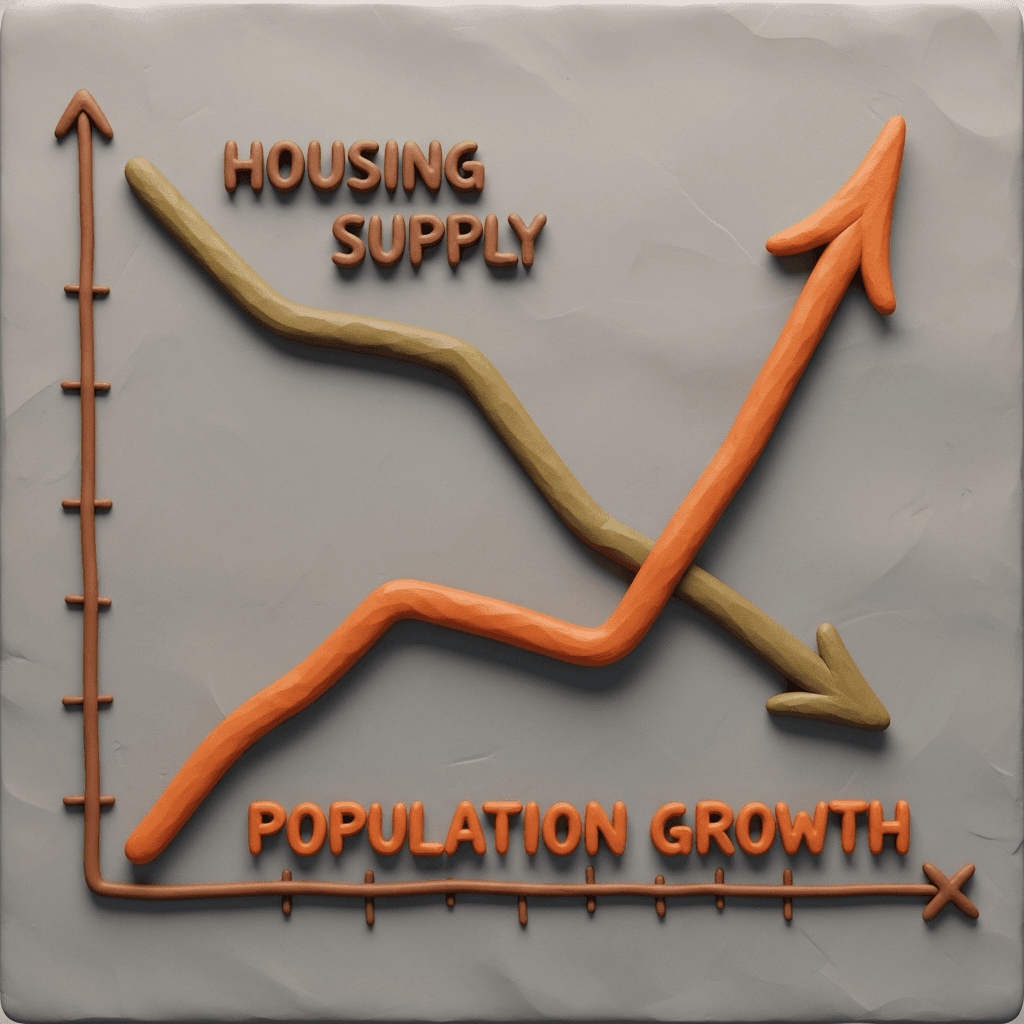
While housing supply is faltering, demand is surging to historic highs. Data on net permanent and long-term arrivals, a strong indicator of net overseas migration, reached a record 379,870 in the year to August 2025. This influx of new residents is placing immense pressure on an already strained housing market. With the government also raising the planning level for international students for the upcoming year, this high level of demand is set to continue, making tools for market analysis and trend identification more critical than ever.
The Squeeze on the Australian Rental Market
The direct consequence of this supply and demand imbalance is a severely tightened rental market. Across the nation, the number of available rental listings has plummeted to record lows, resulting in ultra-low vacancy rates. According to market data, this has caused capital city rental growth to accelerate, adding to the significant 43.8% increase renters have already faced over the past five years. In this competitive environment, finding the right property requires a more sophisticated approach. Leveraging an AI-powered property search can help you filter through the noise and identify opportunities that match your specific lifestyle and financial needs.
Conclusion
The Australian property market is at a critical juncture. The gap between the government's housing targets and the reality of construction, combined with record-breaking immigration, has created a significant challenge for renters and buyers. The pressure on the rental market is unlikely to ease without a major boost in housing supply. For individuals navigating this landscape, staying informed with accurate data is paramount. By understanding these powerful market forces, you can develop a strategy to achieve your property goals, even in a complex market. A personalised service like an AI Buyer's Agent can provide the guidance needed to make confident decisions.
To make sense of these market dynamics and find opportunities tailored to you, explore HouseSeeker's powerful Real Estate Analytics Hub.
Frequently Asked Questions
Why aren't we building enough homes in Australia?
Australia is facing a construction downturn due to several factors, including a drop-off in new large-scale projects, rising costs, and a significant shortage of skilled labour and apprentices in the construction trades. This has reduced the industry's capacity to meet the government's ambitious housing targets.
How does high immigration affect the property market?
High net overseas migration directly increases the demand for housing. When this happens at the same time as a construction slowdown (a decrease in supply), it leads to more competition for available properties. This drives up rental prices and puts upward pressure on property values, creating a more competitive market for both renters and buyers.
What can I do to find a property in such a competitive market?
In a tight market, using advanced tools can give you an edge. Platforms that offer deep data analysis and AI-driven searches can help you identify suburbs with better value, understand market trends, and find properties that meet your specific criteria faster. Services like an AI buyer's agent can also provide personalised recommendations and guidance through the complex buying process.