
The Hidden Pressure: How Migration and Deportation Backlogs Impact Australian Housing
An in-depth look at how unexpected population growth and administrative delays are tightening the squeeze on Australia's rental market and housing supply.
 Jasmine Amari
The Post-Pandemic Property Squeeze
When Australia's international borders reopened in early 2022, the nation was already grappling with a severe rental crisis. The pandemic had reshaped housing demand, first driving a surge in regional areas and later in capital cities as people sought more space. This pre-existing pressure was about to be significantly amplified.
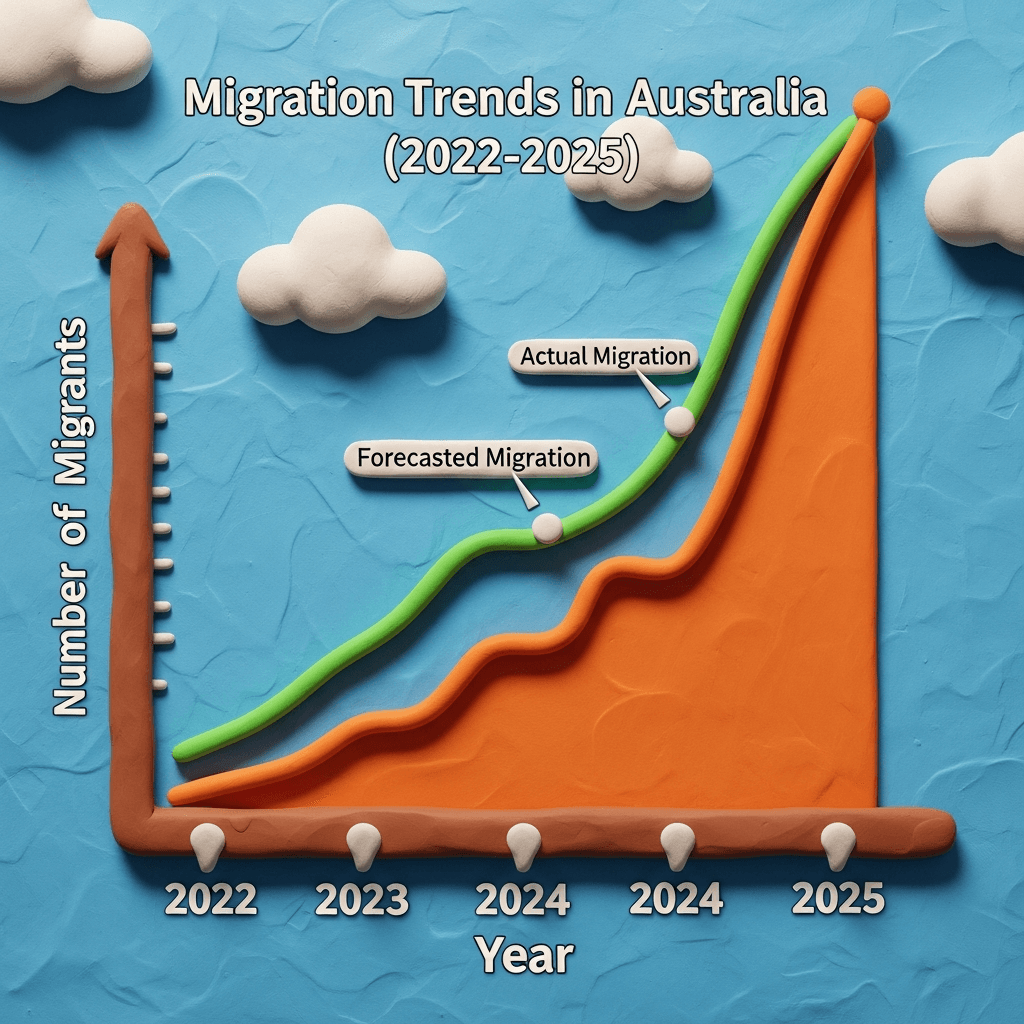
Unexpectedly high migration levels placed immense stress on an already strained housing supply. Treasury and Centre for Population forecasts consistently underestimated the influx. For the year ending June 2023, a forecast of 235,000 was dwarfed by the actual figure of 535,520. This consistent underestimation has exacerbated the challenging conditions in the nation’s rental market, making it crucial for buyers and investors to use advanced real estate analytics to understand market dynamics.
The Growing Deportation Backlog
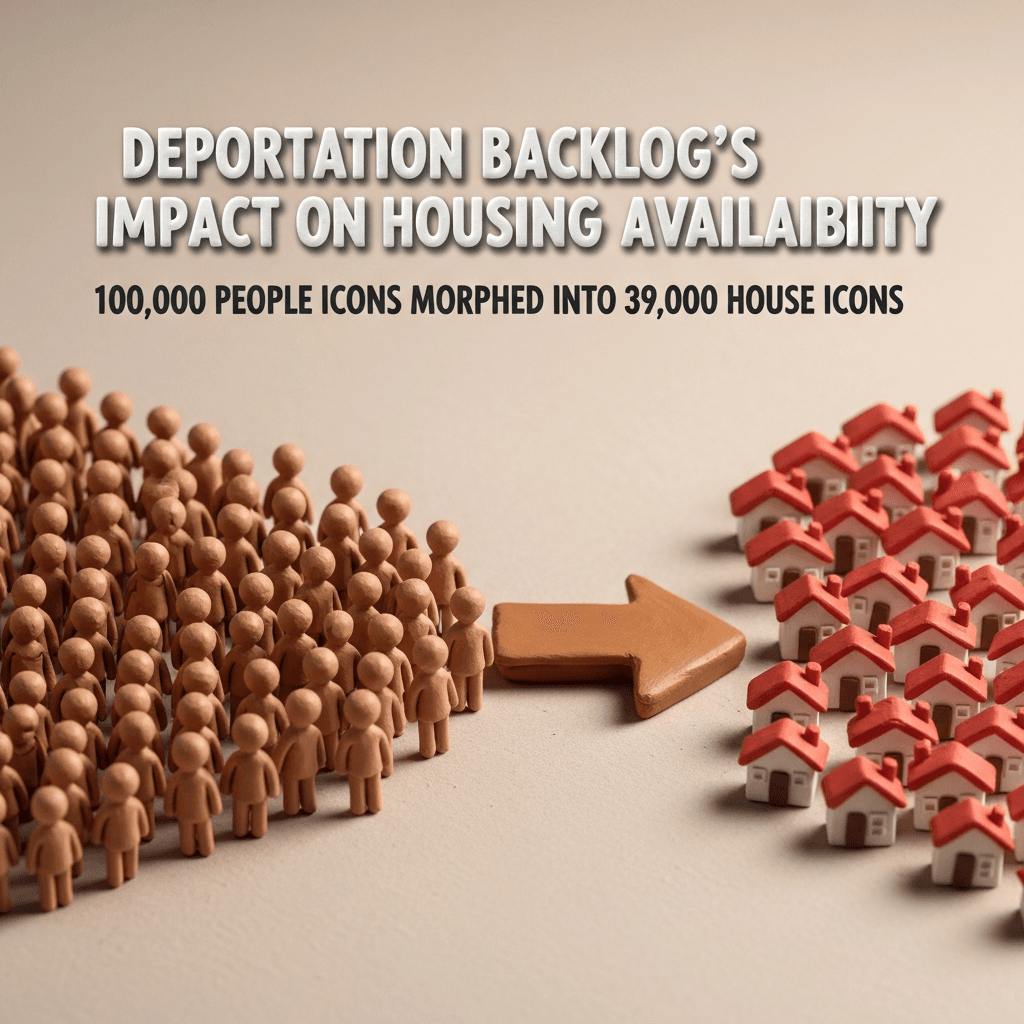
Compounding the issue is a bottleneck within Australia’s asylum system. As of mid-2024, the Department of Home Affairs reported that 98,979 individuals whose protection visa applications had been denied were yet to be deported. These individuals are typically on bridging visas, living and working within the community while awaiting a resolution that rarely comes quickly.
According to Dr Abul Rizvi, former deputy secretary of the Immigration Department, roughly 50,000 of these individuals have exhausted all their appeals processes and remain in the country unlawfully. Despite this, deportation numbers remain incredibly low, with just 162 deportations recorded in a recent financial year. This backlog represents a significant, hidden demand for housing.
Quantifying the Impact on Housing Supply
The nearly 100,000 failed asylum seekers in the backlog occupy a substantial number of homes. Based on the average national household size, this equates to over 39,000 dwellings that are effectively removed from the available housing pool. This places direct pressure on the already limited housing supply and affordability.
Furthermore, a related issue involves international students. Associate Professor Salvatore Babones from the University of Sydney notes an “emerging phenomenon” where students on university visas drop out to switch to other visa pathways, adding another layer of demand to the housing market that wasn't originally accounted for.
The High Cost of Government Inaction
The reason for this persistent backlog, according to experts like Dr. Rizvi, is largely financial and logistical. Successive federal governments have been deterred by the “eye-watering” cost associated with mass deportations, which would require hundreds of millions of dollars for detention centres and legal challenges.
Faced with these significant costs and logistical hurdles, governments have often opted to “let it go through to the keeper.” This inaction, while politically and financially expedient in the short term, has long-term consequences for the housing market that affect everyday Australians trying to find a home.
A Pathway to Easing the Crisis
Addressing the deportation backlog and more carefully vetting temporary visa applicants offers a tangible way to alleviate pressure on the housing market. While not a complete solution, freeing up tens of thousands of homes could provide meaningful relief to the rental crisis in a relatively short timeframe.
For Australians navigating this complex and competitive environment, finding the right property is more challenging than ever. Leveraging powerful tools like an AI-powered property search can help cut through the noise and identify opportunities that align with specific lifestyle and financial goals.
Conclusion
The Australian housing crisis is a multifaceted problem, but the impact of high migration and a stalled deportation system is an undeniable and significant factor. This administrative backlog directly translates to tens of thousands of homes being unavailable in a market desperate for supply. Acknowledging and addressing this issue is a critical step the government could take to ease the severe pressure on renters and aspiring homeowners across the country.
In a market this complex, data is your best ally. Explore detailed suburb trends, supply metrics, and investment potential with HouseSeeker's Real Estate Analytics hub to make smarter property decisions.
Frequently Asked Questions
How many homes are occupied by people in the deportation backlog?
Based on Australia's average household size, the nearly 100,000 individuals whose asylum claims have been denied occupy an estimated 39,000 homes, adding significant pressure to the tight rental market.
Why have migration numbers been so much higher than predicted?
The post-pandemic reopening of borders saw a global surge in movement. Official forecasts from Treasury and the Centre for Population did not fully anticipate the scale of this influx, leading to actual migration numbers far exceeding initial projections.
Why is it so difficult for the government to deport failed asylum seekers?
The primary barriers are the extremely high costs and logistical complexity. The process involves funding detention centres, managing lengthy legal appeals, and the practical challenges of deportation, which experts estimate would cost hundreds of millions of dollars.